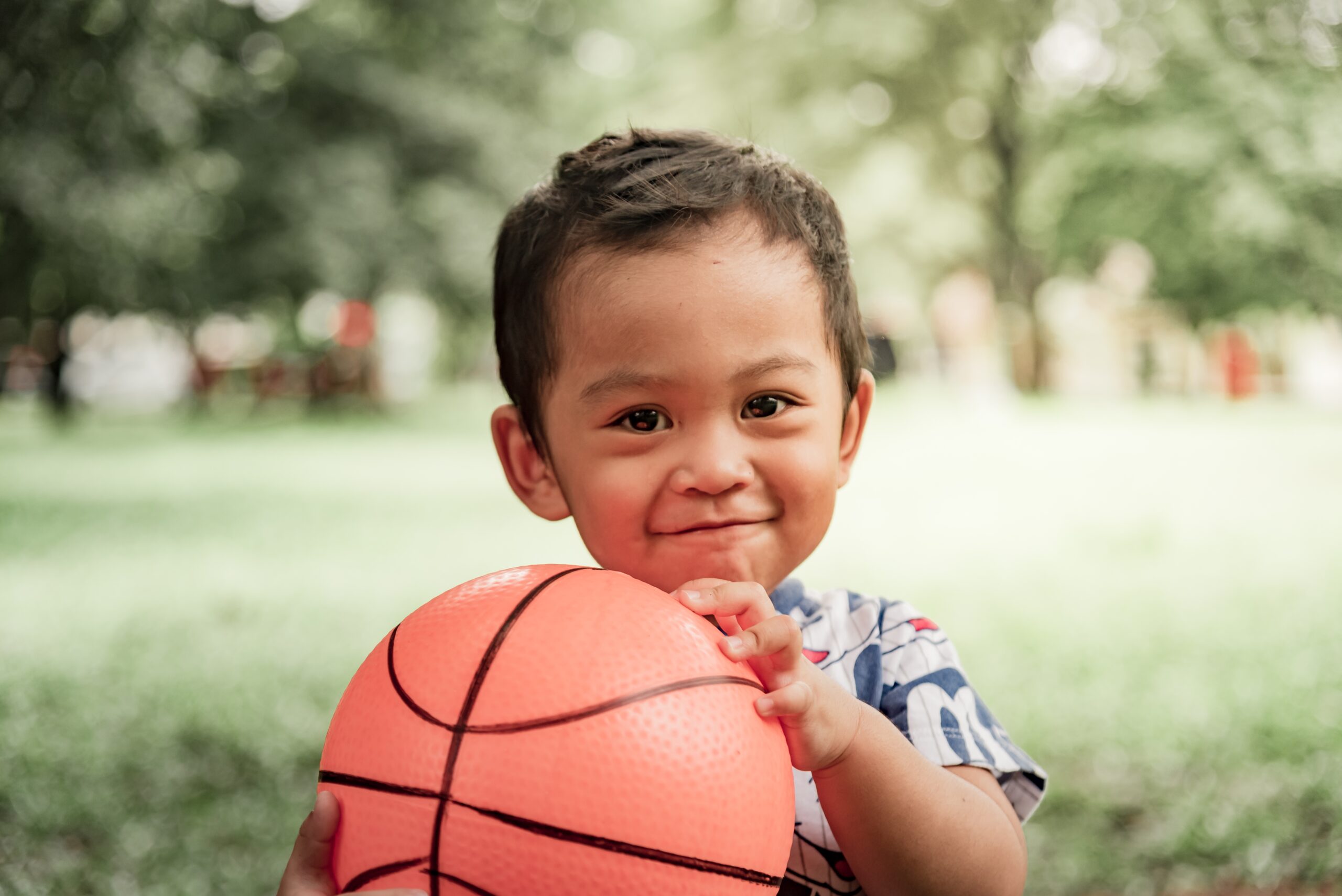
There comes a moment in every kid’s first two years when they discover the magic of a rolling ball — and from that point on, everything is a ball. The TV remote is a ball. The avocado is a ball. The cat is, briefly, a ball.
The good news: balls are one of the cheapest, most developmentally rich toys you can put in front of a toddler. They build grip strength, hand-eye coordination, bilateral movement, social turn-taking, and cause-and-effect understanding — all while looking like nothing more than “playing.”
This guide breaks down the seven types of balls worth having in your toddler’s toy bin, what each one builds, and the age range where it shines.
In This Guide
• The 7 Best Types of Balls for Toddlers
• How to Sanitize Your Toddler’s Balls
• Make Ball Play Even More Fun
—————
The 7 Best Types of Balls for Toddlers
1. Soft Foam Balls
Best for: Babies and young toddlers (6 months and up) Builds: Grip strength, confidence with catching
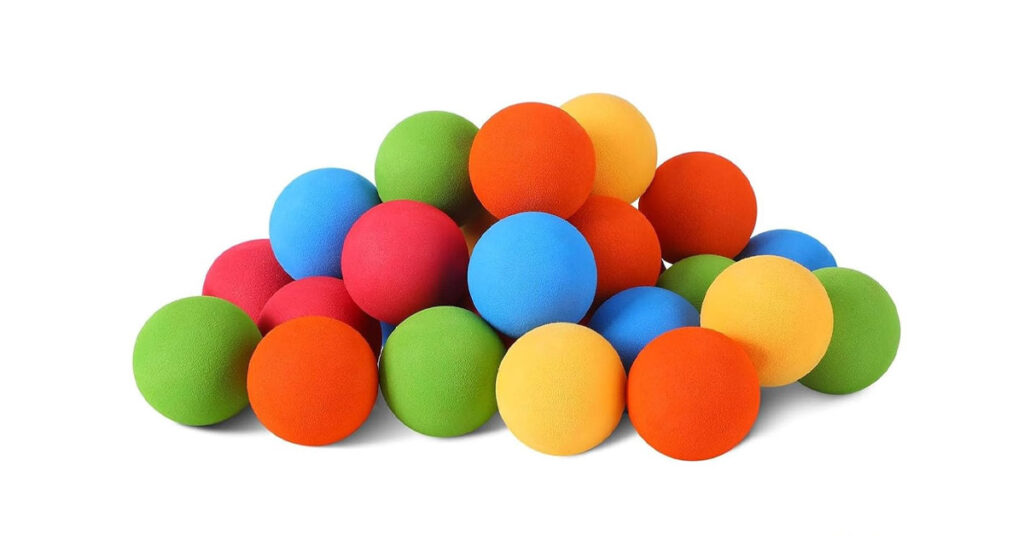
Soft foam or plush balls are the gentlest introduction to ball play. They’re light, easy for tiny hands to grasp, and won’t knock over the lamp when they go flying across the living room. Look for one about the size of a softball — too small risks a choking hazard, too big is hard to hold.
2. Sensory Balls
Best for: 6–18 months Builds: Tactile awareness, hand-eye coordination
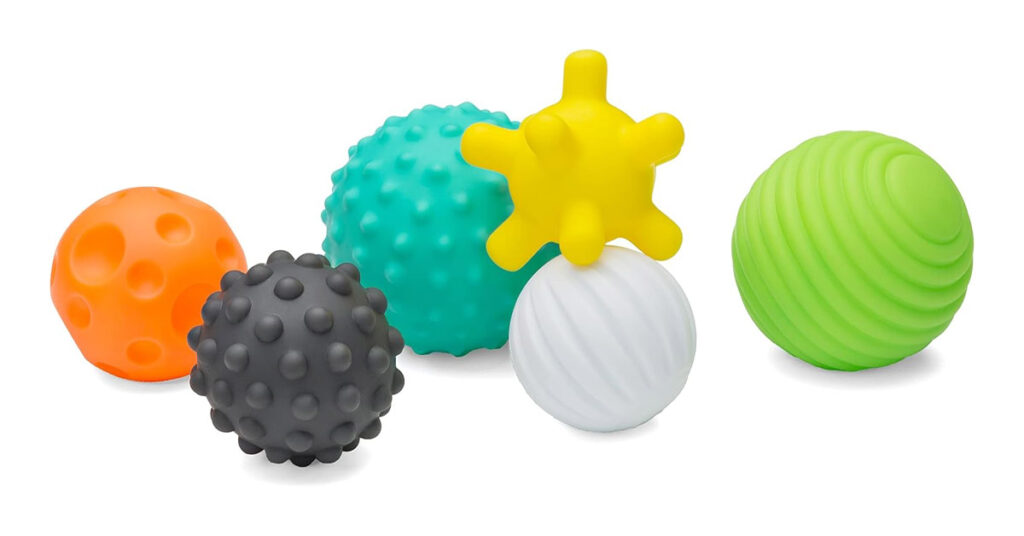
Sensory balls have textured surfaces — bumps, ridges, nubs — that stimulate touch receptors in tiny hands and add traction for clumsy grabs. The best ones are made of soft rubber, come in bright high-contrast colors, and sometimes squeak or rattle to add an auditory layer.
3. Inflatable Beach Balls
Best for: 12 months and up Builds: Bilateral coordination, gross motor skills
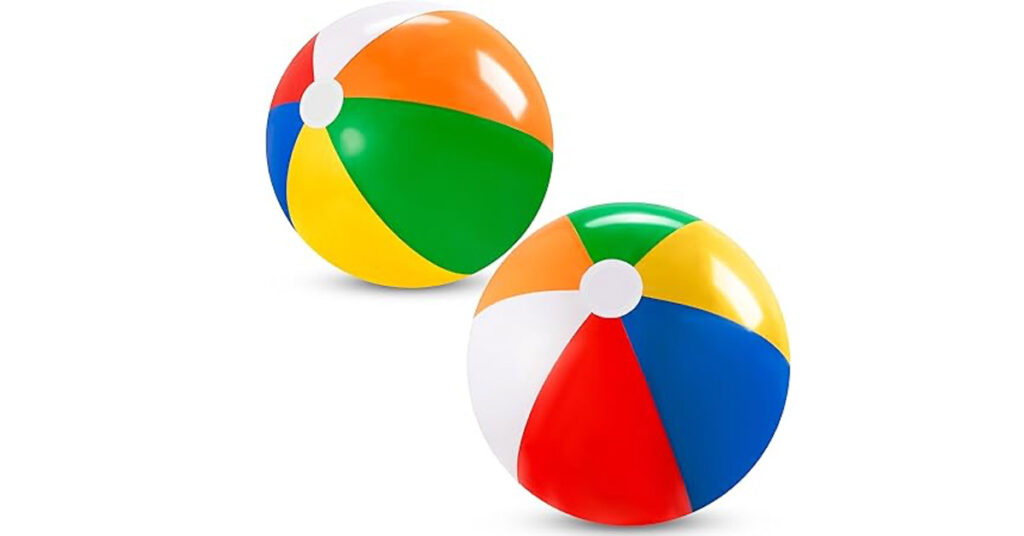
A beach ball is almost too big to hold with one hand — and that’s the point. Toddlers have to use both arms to chase, lift, and toss it, which builds bilateral coordination (the brain talking to both sides of the body at once). They’re also forgiving when they bump into furniture and faces, so they’re a great indoor option for rainy days.
4. Bouncy Rubber Balls
Best for: 18 months and up Builds: Cause-and-effect understanding, gross motor
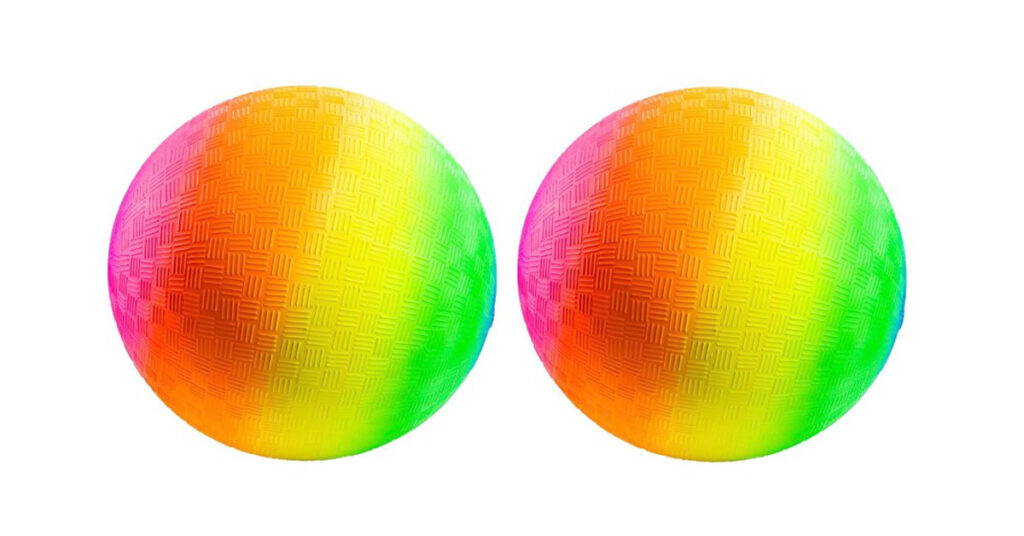
Toddlers are obsessed with the moment a rubber ball hits the floor and boings. It’s pure cause-and-effect magic. Pick larger rubber balls (4–6 inches diameter) — tiny “super balls” are choking hazards. Outdoor or open indoor spaces work best for these, since enthusiasm tends to outpace aim.
5. Mini Sports Balls
Best for: 2 years and up Builds: Sport-specific motor skills, kicking, throwing
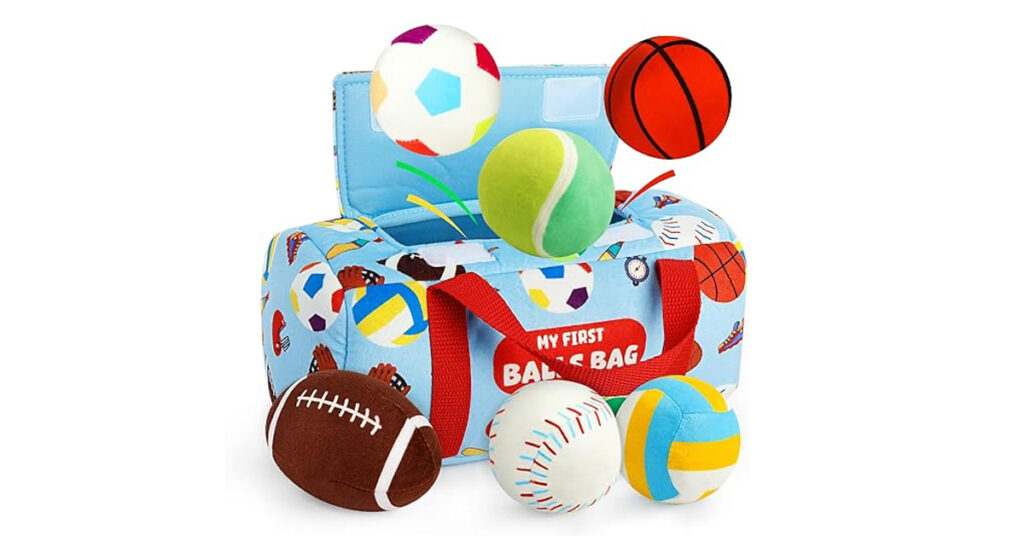
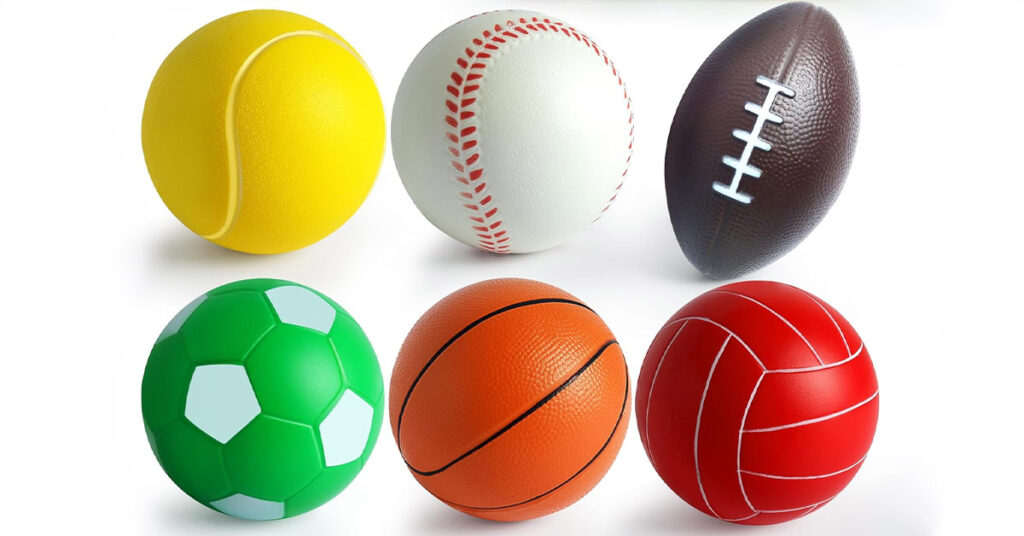
Foam soccer balls, mini basketballs, and soft footballs introduce the motions of organized sports years before any actual rules are involved. Kicking a soft soccer ball across the yard, or rolling a basketball toward a laundry basket, builds the muscle memory that later makes structured games feel natural.
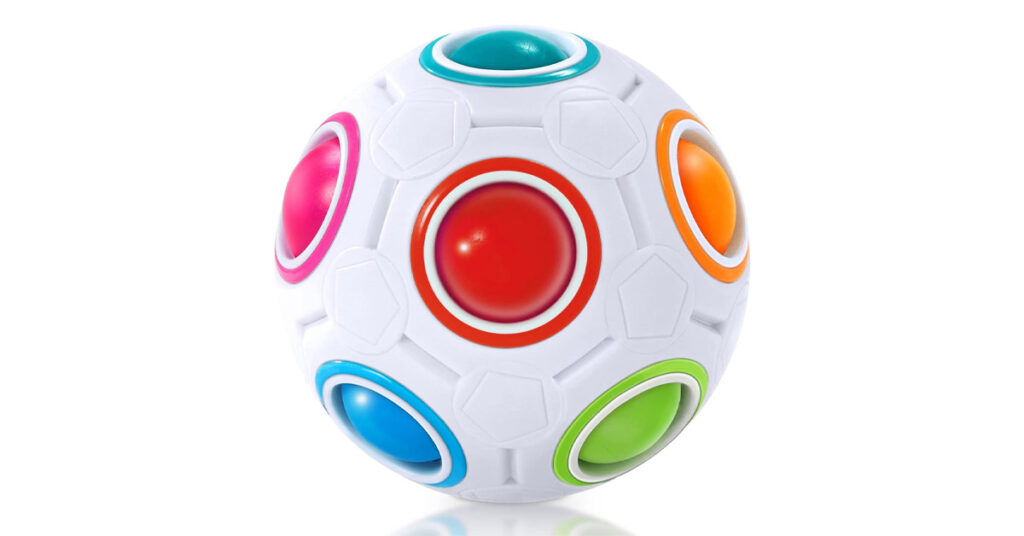
6. Puzzle Balls
Best for: 2.5–4 years Builds: Problem-solving, fine motor dexterity
Puzzle balls split apart and snap back together, sometimes with interlocking pieces or rotating segments. They work the body and the brain in the same play session. Best saved for older toddlers who won’t try to swallow the smaller parts.
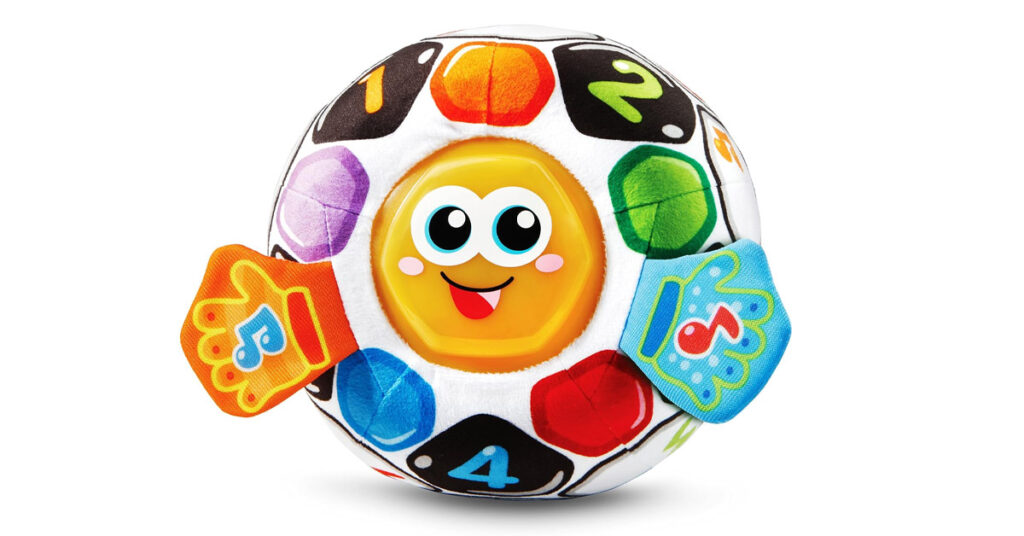
7. Musical Balls
Best for: 9 months and up Builds: Auditory development, rhythm, cause-and-effect
A ball that plays a tune when squeezed or rolled is essentially a toy and a music lesson combined. Musical balls are especially good for toddlers learning early language patterns — the rhythm of a song attached to the rhythm of bouncing or rolling helps wire those connections in the brain.
—————
Safety Tips for Parents
Balls are some of the safest toys you can buy, but a few quick rules keep them that way:
• Choking hazard test: any ball smaller than 1.75 inches (the diameter of a toilet paper roll) is too small for a child under 3.
• Non-toxic materials only: look for “BPA-free,” “phthalate-free,” and “ASTM F963” (US) or “EN 71” (Europe) certifications on the label.
• Check for wear: soft and inflatable balls deflate, crack, and split over time. Toss them when you see tears.
• Always supervise new ball types until your toddler clearly knows how to play with them safely.
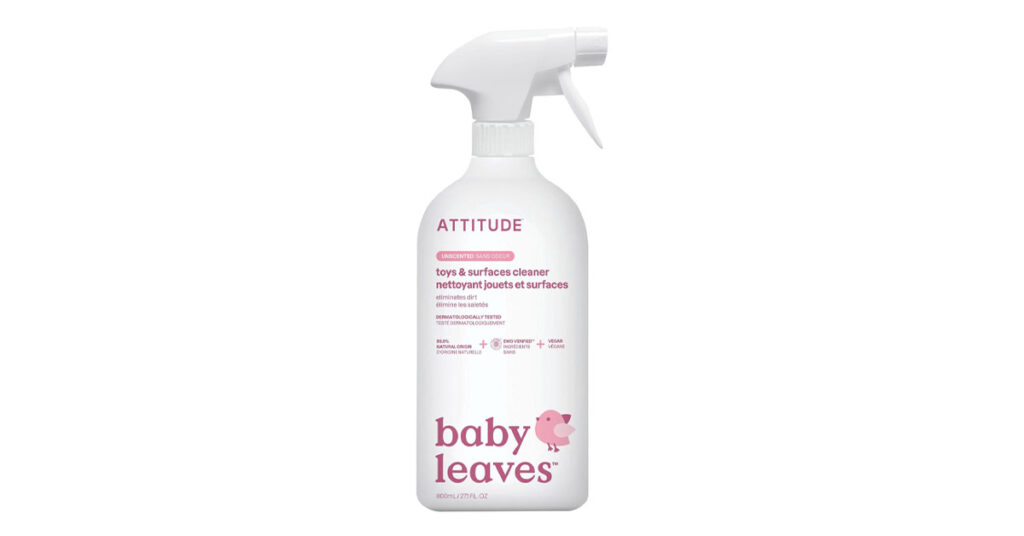
How to Sanitize Your Toddler’s Balls
Toddler balls touch every surface in your house, then go straight into mouths. Sanitize regularly:
• Plastic and rubber balls: wash in warm soapy water, rinse, air dry.
• Sensory and textured balls: same warm-soapy-water method; use a soft brush to clean inside the bumps.
• Inflatable beach balls: wipe with a disinfecting cloth, rinse with a damp cloth, dry completely.
• Musical or electronic balls: surface wipe only with a lightly damp cloth or kid-safe disinfectant wipe. Never submerge.
A weekly sanitize is plenty for daily-use balls; do it more often during cold and flu season.
Make Ball Play Even More Fun
The best toddler ball games combine movement with song. Rolling a ball back and forth while singing a counting song teaches numbers, rhythm, and social turn-taking — three skills in one play session. If you’re looking for sing-along songs to pair with playtime, check out the benefits of sing-along videos for toddlers and streaming children’s songs from Bugpapa.
—————
FAQ: Balls for Toddlers
What size ball is best for a toddler?
Aim for 4–8 inches in diameter. Smaller than 1.75 inches is a choking hazard for kids under 3; bigger than 12 inches can be hard for small arms to manage. For a first ball, a 5–6 inch soft foam ball is the sweet spot.
What materials should I look for in toddler balls?
Soft rubber, foam, fabric-covered foam, and BPA-free soft plastics are all good. Avoid hard plastic balls, anything with small detachable parts, and anything not labeled non-toxic. Toddlers mouth everything, so material safety is the number-one consideration.
How do I know a ball is safe for my toddler?
Look for safety certifications on the label (ASTM F963 in the US, EN 71 in Europe), check that it’s age-appropriate (most boxes label “12m+” or “2y+”), and avoid balls with small parts that can detach. Inspect regularly for cracks, tears, or loose pieces and replace as needed.
What’s the right age to introduce balls?
Babies can start with soft sensory balls as early as six months — anything light, textured, and easy to grasp. By 12–18 months, most kids are ready for larger inflatable balls and gentle catching games. Mini sports balls and puzzle balls work best from age 2 and up.
Can balls really help with development?
Yes — significantly. Pediatric occupational therapists routinely use ball play to assess and build gross motor coordination, bilateral arm movement, hand-eye tracking, and social turn-taking. A simple game of rolling a ball back and forth is one of the most studied developmental activities in early childhood.
This post may contain affiliate links, and as an Amazon Associate, Bugpapa earns from qualifying purchases at no extra cost to your family.